Meteorology and AI: Why Human Expertise Still Matters More Than Ever
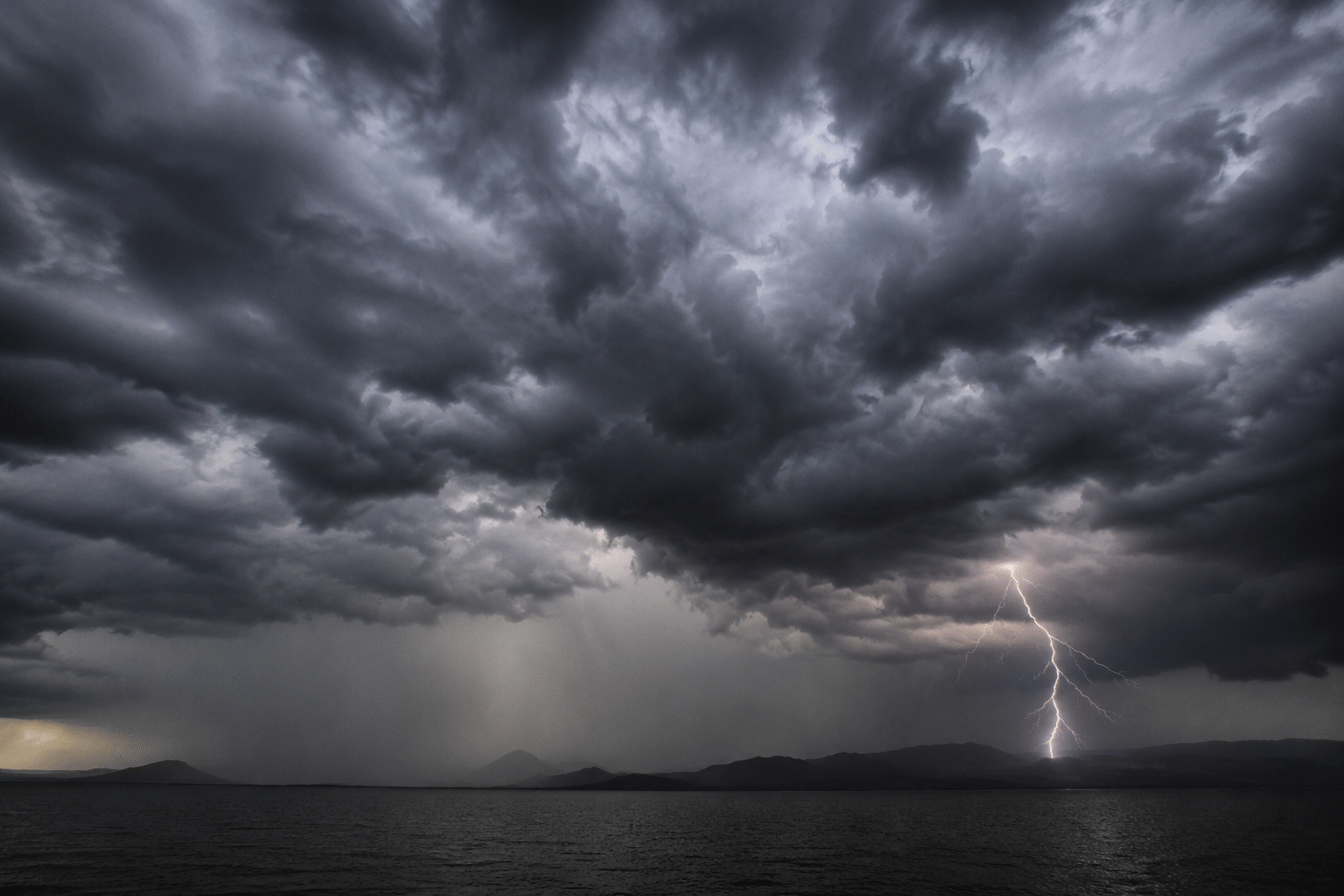
Artificial intelligence is changing nearly every industry, and meteorology is no exception. From faster forecast models to improved storm prediction tools, AI is beginning to play a larger role in how weather data is processed and analyzed. Recently, the National Oceanic and Atmospheric Administration announced a new generation of AI-powered global weather models designed to improve forecasting speed and efficiency. These developments are exciting for the entire weather industry and represent a major step forward in forecasting technology.
At the same time, AI is not replacing professional meteorologists. In many ways, it is making their expertise even more valuable.
At Atlantic States Weather, keeping up with emerging technology is part of providing accurate, dependable meteorological services. While new forecasting tools can process enormous amounts of information quickly, experienced meteorologists are still vital for interpreting data, understanding real-world impacts, and communicating weather risks clearly and responsibly.
The Growing Role of AI in Weather Forecasting
Weather forecasting has always relied heavily on technology. Modern forecasts are built using advanced computer models that process data from satellites, radar systems, weather balloons, ocean buoys, and surface observations around the world.
AI is pushing weather forecasting technology forward by helping systems sort through enormous amounts of data much faster than older forecasting methods could. Instead of relying only on traditional numerical models, newer AI-assisted tools can quickly recognize patterns in the atmosphere and produce forecast guidance more efficiently. NOAA’s newest generation of AI-supported weather models is aimed at speeding up forecasts while using less computing power than many older systems required.
There are several ways this could improve forecasting in the years ahead. Forecast updates may become available more quickly during active weather situations, storm track projections could improve, and meteorologists may be able to identify developing weather patterns sooner than before. AI tools may also help forecasters respond faster during rapidly changing events and continue improving long-range forecast accuracy over time.
Across a lot of industries, the difference between a good forecast and a great one shows up directly in the bottom line. Shipping companies reroute vessels. Construction crews decide whether to pour concrete or send workers home. Farmers time their harvests. Utility operators pre-position crews before a storm rolls through.
AI is also starting to prove useful on the historical side of the work. Meteorologists regularly dig through years of archived data when they're reconstructing past storms, tracking seasonal shifts, or building out long-term climate pictures. That kind of research has always been tedious. New tools can move through that material faster and surface connections that might have taken weeks to find manually. Experienced judgment is still what makes sense of those findings, but the legwork is considerably lighter than it used to be.
Technology Still Requires Human Interpretation
None of this means forecasting has become a matter of running a model and reading the output. It hasn't. The data volume has grown, the tools have gotten faster, and the guidance has generally gotten better but interpretation is still where the real work happens. Someone has to look at what the models are showing, weigh it against local knowledge and physical reasoning, and make a call. That part hasn't changed.
This is where professional meteorologists remain critical.
AI models can process data, but they do not truly understand the real-world consequences of weather events. They cannot independently evaluate local geography, infrastructure vulnerabilities, business operations, or human behavior the way experienced meteorologists can. Experienced meteorologists look beyond the numbers themselves and evaluate the bigger picture when assessing potential risk.
Professional meteorologists also understand that forecast models are not perfect. Computer guidance can sometimes struggle during fast-changing or highly unusual weather setups. That is especially true during major weather events where small shifts in storm track or intensity can significantly change local impacts. Knowing when model guidance is reliable, and when it needs closer review, is a critical part of forecasting.
This becomes even more important during dangerous weather situations like hurricanes, tornado outbreaks, coastal flooding, winter storms, severe thunderstorms, and hazardous marine conditions. During events like these, decisions often need to be made quickly, and relying only on automated forecast output can lead to costly mistakes.
Why Human Expertise Matters in Weather Analysis
At Atlantic States Weather, the work often goes far beyond preparing daily forecasts. In many cases, clients need detailed analysis of past weather events for legal cases, insurance claims, business investigations, or operational planning.
That kind of work still depends heavily on experienced meteorologists.
Cases involving litigation support or expert witness testimony require much more than simply pulling data from a computer model. Meteorologists have to carefully review radar imagery, storm reports, satellite data, surface observations, and historical weather records to determine what conditions were actually present at a specific place and time. They also need to explain their findings clearly and, in some situations, defend those conclusions during depositions or courtroom proceedings.
Attorneys, insurers, and businesses that need to act on this kind of analysis need someone who can stand behind it. That means a trained meteorologist who understands not just what the instruments recorded, but what was actually happening in the atmosphere, and what that means for the situation on the ground.
Meteorologists Are Also Communicators
One of the most important roles meteorologists play is communication.
Weather information is only useful if people understand what it means and how it affects them. AI can generate forecast numbers, but communicating uncertainty, explaining risk levels, and helping organizations make informed decisions still depends heavily on human experience.
A professional meteorologist knows how to tailor weather information to specific industries and operations. A marine business may need very different information than a construction company or emergency management agency.
At Atlantic States Weather, meteorological training services help businesses, agencies, and organizations better understand how weather impacts their operations. This type of education helps improve preparedness, safety, and decision-making.
The Future of Meteorology Combines AI and Human Expertise
The conversation around AI and meteorology doesn't have to be framed as one replacing the other — that's not really where things are headed. The forecasters producing the most reliable work right now aren't ignoring these tools, and they're not surrendering judgment to them either. They're using both, which is what actually moves the needle.
At Atlantic States Weather, staying current with evolving technology while maintaining a strong foundation in professional meteorological analysis allows clients to benefit from both innovation and experience. As weather technology continues to evolve, the need for knowledgeable meteorologists is not disappearing — it is becoming more important than ever.