Space Weather and Commercial Spaceflight: Why Accurate Data Matters
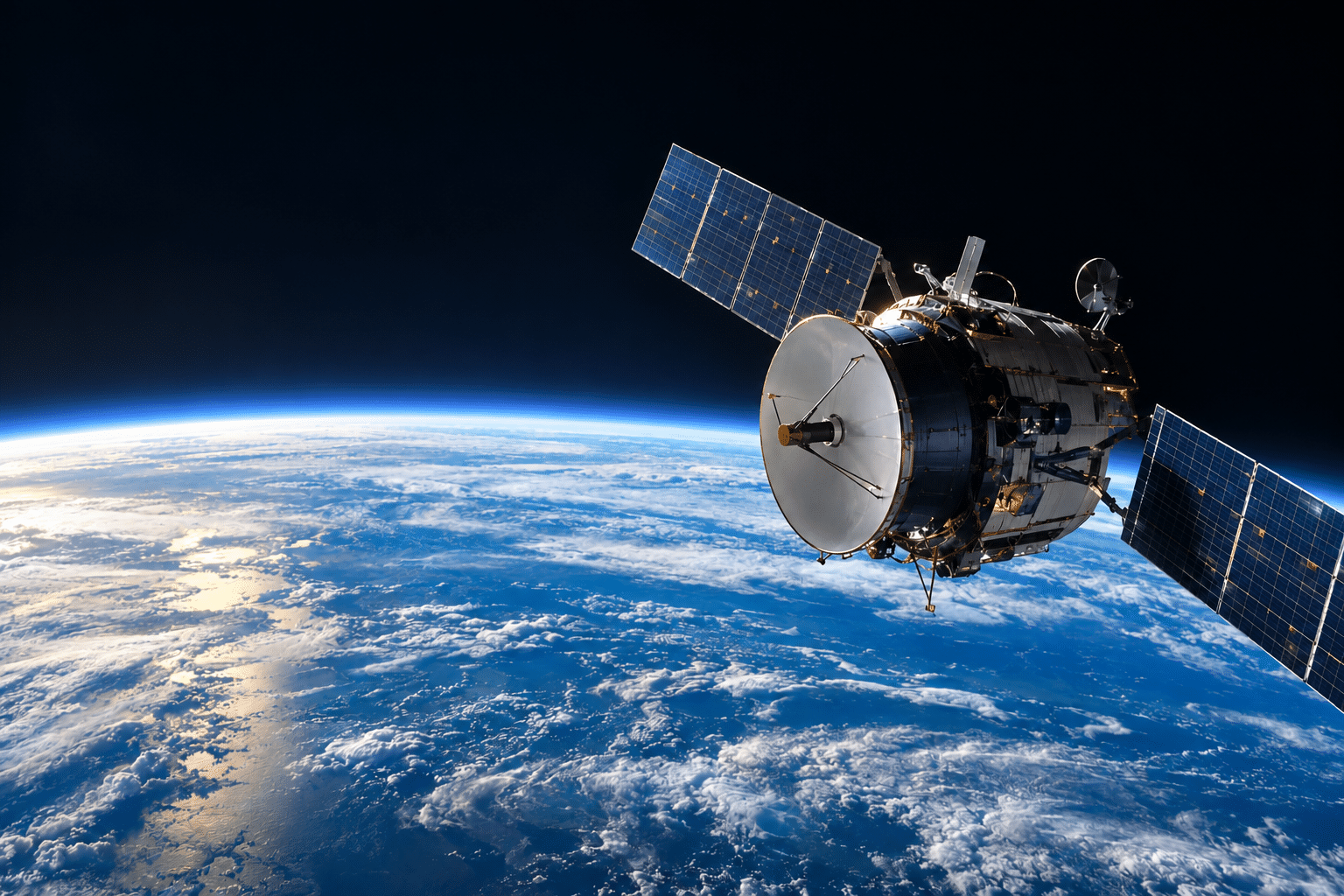
Spaceflight has come a long way, and private companies are playing a bigger role than ever. Satellites support everything from GPS navigation to communications, and commercial missions are creating new opportunities for research and human space travel. But working in space comes with risks that aren't always easy to anticipate. One of them is space weather.
Knowing when these events might occur, and what they could affect, requires reliable data and a strong understanding of how solar activity interacts with technology.
There's a connection here to forensic meteorology, too. Space weather and the weather we experience on Earth involve different scientific processes, but both show why accurate environmental data matters when you're trying to understand what happened during an unexpected event.
What Is Space Weather?
The Sun is constantly releasing energy and charged particles into space. Most of the time, that activity doesn't cause noticeable problems here on Earth. But occasionally, the Sun produces a more intense event, such as a solar flare or a coronal mass ejection, that can affect technology in space and on the ground. These events are considered as “space weather”, and involve streams of charged particles, magnetic fields, and radiation moving through space, and impacting both space operations and systems/power grids on Earth.
According to NOAA's Space Weather Prediction Center, space weather can cause several types of disruptions:
- Radio blackouts: Solar flares can interfere with high-frequency radio signals, making communication more difficult for aircraft, ships, and other operators.
- Solar radiation storms: Energetic particles from the Sun can increase radiation exposure for astronauts and affect sensitive spacecraft electronics.
- Geomagnetic storms: When disturbances from the Sun interact with Earth's magnetic field, they can affect GPS accuracy, satellite operations, and electrical power systems.
Not every solar event causes serious problems. Sometimes, a solar event creates Aurora Borealis displays (northern hemisphere) and Aurora Australis displays (southern hemisphere). A recent solar event in November 2025 produced visible aurora sightings as far south as Cuba and central Mexico. Still, as more businesses and essential services rely on satellites, understanding space weather has become an important part of protecting the technology we depend on.
How Space Weather Affects Commercial Spaceflight
Spaceflight involves many variables, and not all of them are within an operator's control. Solar activity is one example. Depending on what's happening on the Sun, it can affect spacecraft systems, communications, and the people traveling beyond Earth's atmosphere.
Space weather can affect equipment and communications, astronaut safety, navigation, and launch planning.
The challenge is knowing which conditions matter for a particular mission and how to respond. Reliable space weather information gives operators a better starting point.
Looking Back at an Incident: Why Historical Data Matters
Forecasts can help mission teams prepare for space weather, but they can't answer every question after an incident occurs. That's when looking back at the available data becomes important.
Say a satellite develops a technical problem during a period of heightened solar activity. The timing might suggest a connection, but it doesn't necessarily mean the Sun caused the problem. To get a clearer picture, investigators would need to look at space weather records alongside the satellite's system logs, telemetry, and other relevant information.
The same goes for weather-related damage here on Earth. A storm might pass through an area just before a building is damaged, but that doesn't necessarily mean the storm caused it.
In either situation, figuring out what happened means going beyond the timing of the event. Historical records, conditions at the time, and physical evidence can help establish whether a connection exists and what the available information actually tells us.
It's also important to recognize what the data can't tell us. A sound investigation distinguishes documented facts from estimates, and avoids drawing conclusions that the evidence doesn't support.
Space weather analysis and forensic meteorology require different areas of expertise, but both rely on careful analysis and a clear understanding of the available information.
How Forensic Meteorology Helps Resolve Legal Disputes
When weather becomes part of a legal dispute or insurance claim, understanding what actually happened can make a difference. Attorneys, insurance companies, and government agencies may turn to forensic meteorologists to examine past weather conditions and determine whether they contributed to an incident.
A case might involve determining wind speeds during a hurricane, examining rainfall around the time of a vehicle accident, or investigating whether hail or flooding caused property damage.
A general weather report doesn't always provide enough detail to answer those questions. Conditions can vary over short distances, so a weather station several miles away may not accurately reflect what happened at a particular property or accident site.
Forensic meteorologists review available observations, radar data, historical records, and other relevant information to develop a clearer picture of the conditions. They can then explain their findings to attorneys, insurers, and other decision-makers and provide expert testimony when needed.
The objective is straightforward: establish what the evidence supports and help those involved better understand the circumstances of an event.
Atlantic States Weather: Making Sense of the Evidence
At Atlantic States Weather, Inc., we help clients understand how weather may have affected an event. That means examining historical meteorological data, evaluating conditions at a specific time and place, and explaining what the findings mean.
Since 2004, we've handled more than 850 cases. Our clients have included the U.S. Department of Justice, the U.S. Department of Defense, the North Carolina Attorney General's Office, and the North Carolina Division of Emergency Management.
Our work includes forensic meteorology, litigation support, expert testimony, and investigations involving hurricanes, wind, hail, tornadoes, flooding, icing, snow, and weather at sea.
Every case presents its own questions. Sometimes, the task is to reconstruct wind speeds during a storm. In other cases, it's to determine whether the available weather data supports a particular explanation for property damage or another incident.
When weather becomes part of a legal case or property damage claim, that kind of analysis can help clarify what happened and give decision-makers a stronger factual foundation.
Need help determining how weather may have affected an incident? Atlantic States Weather, Inc. provides forensic meteorology, historical weather investigations, litigation support, and expert testimony. Contact our team to discuss your case.